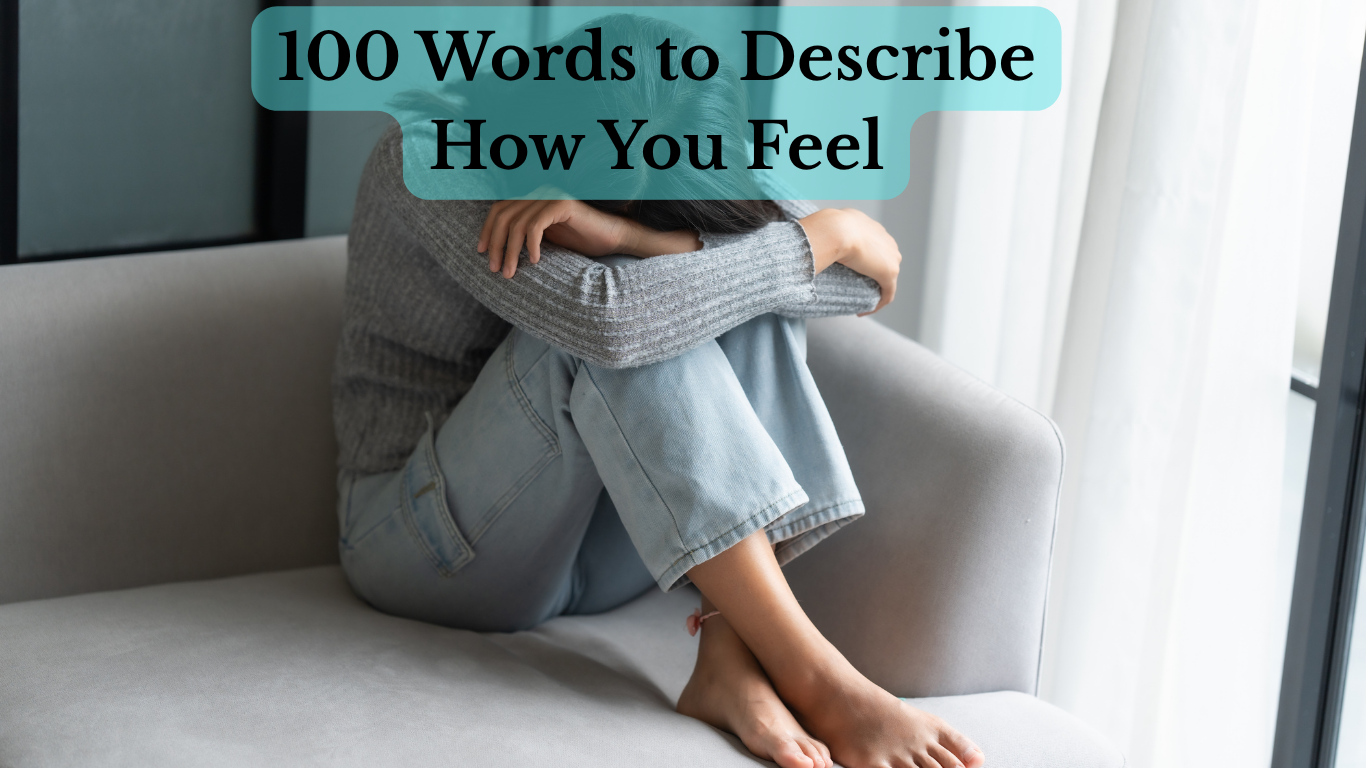
Have you ever been asked “how are you feeling?” and found yourself reaching for “fine” or “okay” not because that was accurate, but because the more precise word for what you were actually experiencing simply wasn’t available to you in the moment? Emotional vocabulary matters more than it might seem — research on emotional granularity consistently shows that people who can identify and name their feelings with precision tend to regulate those emotions more effectively and communicate them more clearly to others than people who rely on vague, general terms. This list of 100 words is organized by emotional category to help you find the specific word that actually matches what you’re feeling, rather than settling for the nearest generic substitute.
Happy / Positive
- Joyful — feeling great happiness or delight
- Content — satisfied with what you have; at peace
- Elated — extremely happy and excited
- Cheerful — noticeably happy and positive
- Optimistic — hopeful about the future
- Grateful — appreciative of something received
- Proud — pleased by your own or others’ achievements
- Hopeful — feeling that good things are possible
- Relieved — no longer feeling anxious about something resolved
- Excited — enthusiastic anticipation of something
- Blissful — perfectly happy, untroubled
- Satisfied — content that a need or desire has been met
- Cheery — bright and lighthearted
- Radiant — glowing with happiness
- Fulfilled — feeling that life is meaningful and complete
Sad / Low
- Melancholy — a pensive, gentle sadness
- Heartbroken — devastated by emotional loss
- Despondent — in low spirits from loss of hope
- Gloomy — dark in mood, without much hope
- Lonely — sad from lack of companionship
- Grief-stricken — overwhelmed by mourning
- Disheartened — having lost confidence or enthusiasm
- Forlorn — sad and abandoned-feeling
- Wistful — a quiet longing tinged with sadness
- Empty — feeling hollow or void of feeling
- Dejected — sad and without enthusiasm, often after disappointment
- Downcast — unhappy, with eyes or spirit lowered
- Sorrowful — full of sorrow or deep sadness
- Inconsolable — unable to be comforted
- Numb — emotionally unfeeling, often after shock
Angry / Frustrated
- Irritated — annoyed, mildly angered
- Furious — extremely angry
- Resentful — bitter over a perceived unfair treatment
- Indignant — angry because of unfair treatment
- Exasperated — intensely irritated, at the end of patience
- Seething — quietly and intensely angry beneath the surface
- Frustrated — upset by an inability to achieve something
- Annoyed — slightly angry, bothered
- Outraged — shocked and angered by something morally wrong
- Bitter — resentful, often over a long period
- Agitated — troubled and restless, often angry
- Hostile — unfriendly and antagonistic
- Vexed — annoyed or puzzled
- Incensed — very angry, enraged
- Cross — mildly annoyed or irritable
Anxious / Fearful
- Nervous — uneasy or apprehensive about something uncertain
- Worried — troubled by anticipated problems
- Apprehensive — anxious about something that may happen
- Overwhelmed — having more than you can manage emotionally
- Tense — physically and mentally strained, on edge
- Uneasy — a vague sense that something is wrong
- Dread — a heavy fear of something upcoming
- Panicked — sudden, overwhelming fear or anxiety
- Insecure — lacking confidence, uncertain of yourself
- Restless — unable to relax or stay still, mentally agitated
- Wary — cautious about potential danger
- Jittery — nervous, shaky with anxious energy
- Paranoid — irrational suspicion or fear without proportionate cause
- Terrified — extremely frightened
- Unsettled — disturbed, lacking a sense of calm
Confused / Uncertain
- Bewildered — completely confused or puzzled
- Conflicted — torn between opposing feelings or choices
- Perplexed — puzzled, unable to understand
- Disoriented — confused about one’s situation or surroundings
- Ambivalent — having mixed or contradictory feelings
- Torn — pulled in two directions emotionally
- Baffled — utterly unable to understand or explain
- Indecisive — unable to make a decision
- Lost — without direction or clarity about what to do
- Hesitant — uncertain, slow to act or decide
Calm / Peaceful
- Serene — calm, peaceful, untroubled
- Tranquil — quiet and free from disturbance
- Relaxed — free from tension or anxiety
- Centered — emotionally balanced and grounded
- Composed — calm and in control of emotions
- At ease — comfortable, free from worry
- Grounded — stable, connected to the present
- Peaceful — free of conflict, calm within
- Settled — secure and stable in mood
- Still — quiet and undisturbed internally
Energized / Motivated
- Inspired — filled with creative or motivating energy
- Invigorated — filled with life and energy
- Motivated — driven to pursue a goal
- Determined — firm in purpose, resolved to continue
- Driven — strongly motivated toward achievement
- Eager — keen and enthusiastic anticipation
- Empowered — feeling capable and in control
- Energetic — full of vitality
- Passionate — intense enthusiasm or conviction
- Alert — mentally sharp and attentive
Tired / Drained
- Exhausted — extremely tired, depleted of energy
- Drained — emotionally or physically depleted
- Weary — tired, especially from prolonged effort
- Burned out — exhausted from chronic stress, often work-related
- Depleted — having used up emotional or physical resources
- Fatigued — tired, lacking energy
- Spent — having used up all available energy
- Lethargic — sluggish, lacking energy or enthusiasm
- Listless — lacking energy or enthusiasm for anything
- Weighed down — burdened, heavy with stress or sadness
Key Takeaways
These 100 words span eight emotional categories — from joy to exhaustion — and each one carries a slightly different shade of meaning than its neighbors. “Frustrated” is not the same as “furious.” “Wistful” is not the same as “heartbroken.” “Overwhelmed” is not the same as “anxious,” even though they often travel together. Building a more precise emotional vocabulary isn’t just a writing exercise — it genuinely changes how clearly you can communicate what you’re going through, both to yourself and to the people you’re trying to explain it to.
Next time someone asks how you’re feeling, try reaching past “fine” or “okay” and see if one of these words fits more honestly. Naming a feeling accurately is often the first real step toward understanding — or changing — it.