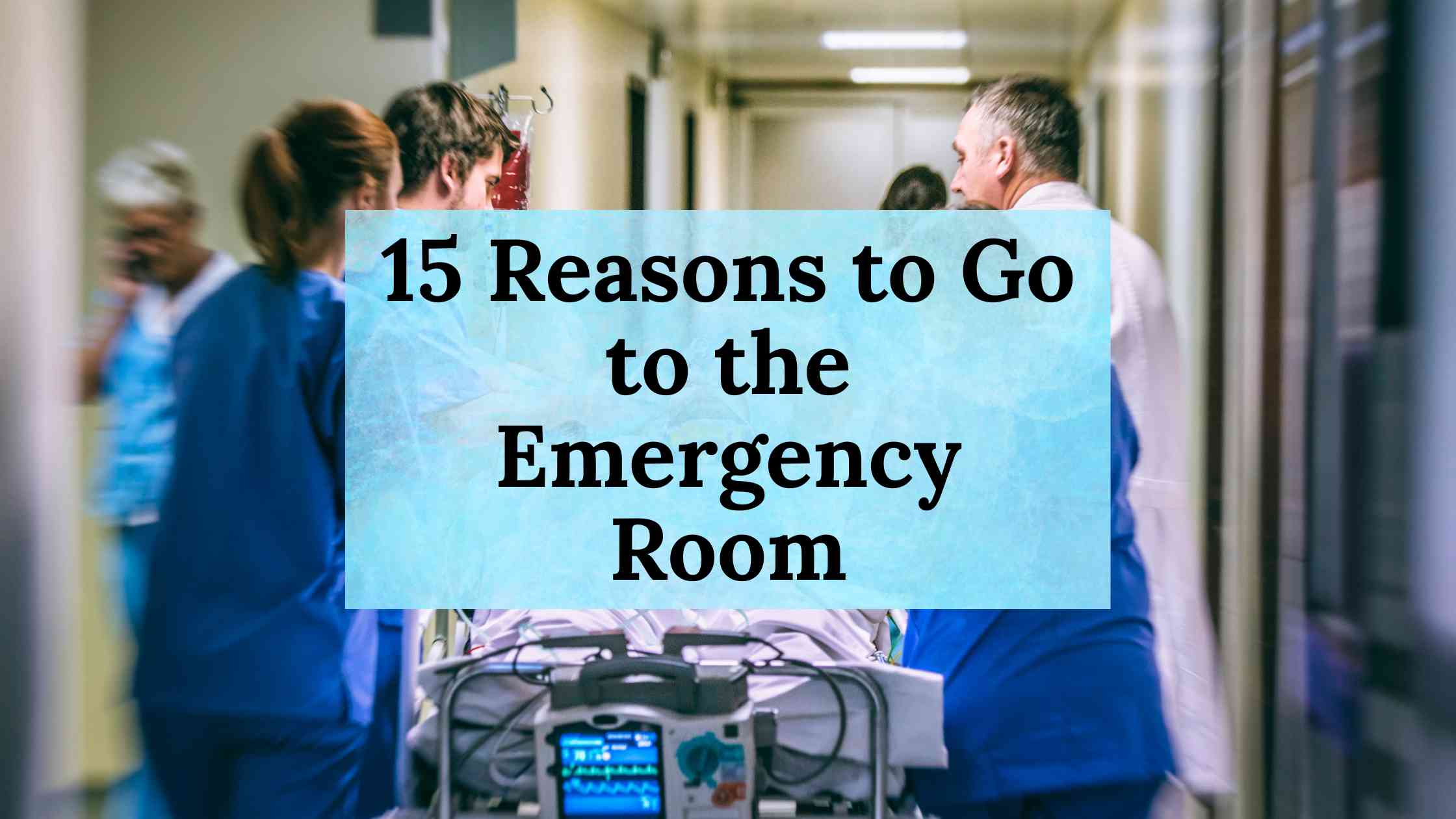
Emergency rooms exist for one core purpose: to handle situations where waiting could lead to serious harm, permanent damage, or death. Not every ache or cut needs the ER, but certain symptoms and events cross a clear line where immediate evaluation and treatment save lives or limbs.
Table of Contents
Here are 15 legitimate, high-priority reasons to head to the emergency room right away (or call 911). These are based on guidelines from major medical organizations including the CDC, American College of Emergency Physicians (ACEP), Mayo Clinic, and Cleveland Clinic.
Life-Threatening / Call 911 Immediately
- Chest pain or pressure that lasts more than a few minutes, especially with shortness of breath, nausea, sweating, or pain radiating to the jaw, neck, back, or arms.
Classic heart attack signs—every minute counts. - Sudden severe headache described as “the worst headache of my life,” especially if it comes on suddenly or with neck stiffness, vision changes, confusion, or loss of consciousness.
Possible ruptured aneurysm or stroke. - Difficulty breathing or shortness of breath that comes on suddenly or worsens rapidly, especially if lips/face turn blue or you can’t speak full sentences.
Could be asthma attack, pulmonary embolism, pneumothorax, or anaphylaxis. - Sudden weakness, numbness, or paralysis on one side of the body, facial droop, slurred speech, or confusion.
Stroke symptoms—remember FAST (Face, Arms, Speech, Time). - Uncontrolled bleeding that doesn’t stop after 10–15 minutes of firm, direct pressure, or bleeding from a major artery, deep wound, or amputation.
Arterial spurting or soaking through multiple towels requires immediate care. - Loss of consciousness / fainting (even briefly), especially if it happens without warning, during exertion, or with chest pain/heart palpitations.
Could indicate cardiac arrhythmia, seizure, internal bleeding, or aortic dissection. - Severe abdominal pain that is sudden and intense, especially with vomiting, fever, or fainting.
Possible appendicitis, ruptured ectopic pregnancy, aortic aneurysm, or perforated ulcer.
Serious but Not Always Immediately Fatal
- High fever with altered mental status, stiff neck, severe headache, or rash (especially non-blanching/purple spots).
Signs of meningitis or sepsis—time-critical. - Seizure (especially if it lasts >5 minutes, if it’s a first-time seizure, or if the person doesn’t fully recover afterward).
Status epilepticus is a medical emergency. - Sudden vision loss in one or both eyes, double vision, or flashing lights/floaters with a “curtain” effect.
Retinal detachment, stroke, or acute glaucoma. - Major trauma / injury — car/motorcycle crash, fall from height, gunshot/stab wound, head injury with loss of consciousness, or obvious broken bone deformity.
Even if you “feel okay,” internal bleeding or spinal injury can be silent. - Signs of severe allergic reaction (anaphylaxis) — swelling of face/throat/tongue, difficulty swallowing/breathing, widespread hives, vomiting, or drop in blood pressure.
Epinephrine is needed immediately. - Poisoning or overdose — intentional or accidental ingestion of medications, household chemicals, carbon monoxide exposure, or suspected drug overdose (especially opioids—look for pinpoint pupils, slow/shallow breathing).
Naloxone may be needed; time is critical. - Severe burns — burns covering large areas, electrical burns, chemical burns to eyes/face/airway, or any burn with difficulty breathing.
Rule: larger than the palm of your hand, deep (white/charred), or involving face/hands/genitals/airway. - Signs of stroke in the eye (central retinal artery occlusion) or sudden, severe pain/swelling in one leg (possible deep vein thrombosis with risk of pulmonary embolism).
These are vascular emergencies that can lead to permanent vision loss or fatal clot travel.
Key Takeaways
Go to the emergency room (or call 911) when something feels life-threatening, rapidly worsening, or involves sudden neurological/vascular changes. When in doubt, it’s better to be seen and sent home than to wait and have a bad outcome.
For non-emergent issues (sprained ankle, mild asthma flare that responds to inhaler, low-grade fever without red flags, small cuts that stop bleeding), urgent care or your primary doctor is usually faster and cheaper.
Trust your instincts—if you’re seriously worried that something is very wrong, that alone is a valid reason to seek emergency care. Better safe than sorry can literally save your life.
Stay safe out there.