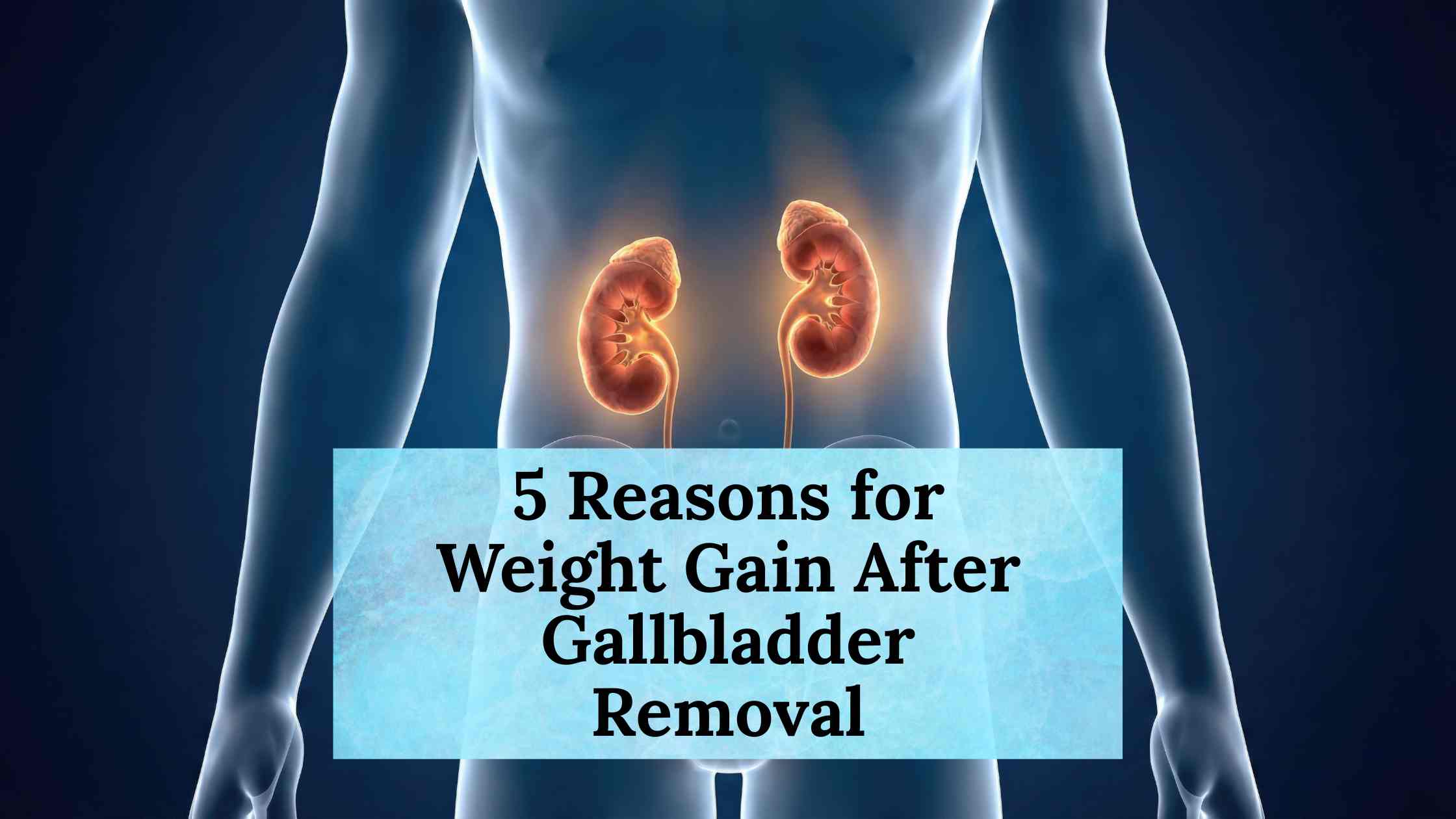
Have you noticed weight gain after gallbladder removal and wondered why it’s happening? Many people expect to feel better after surgery, especially once gallbladder pain is gone. Yet, some are surprised to see the scale creeping up months later.
Table of Contents
This blog explores 5 medical and lifestyle reasons for weight gain after gallbladder removal, backed by digestive health research. Understanding what changes inside your body after surgery can help you manage your weight more effectively.
What Changes After Gallbladder Removal?
The gallbladder stores bile, which helps break down fats during digestion. After gallbladder removal (cholecystectomy), bile flows directly from the liver into the small intestine instead of being released in controlled amounts.
While the body adapts over time, this change can temporarily alter fat digestion, metabolism, and eating habits. These adjustments sometimes contribute to gradual weight gain.
Let’s examine the key reasons.
1. Slower Fat Digestion and Metabolic Adjustment
After gallbladder removal, bile is no longer released in concentrated bursts during meals. Instead, it trickles continuously into the intestine.
This can affect how efficiently fats are digested, particularly in the early recovery phase. Some individuals may reduce activity levels during recovery while still consuming the same calorie intake.
Metabolic studies suggest that decreased physical activity during the post-surgery period is one of the most common contributors to weight gain after gallbladder removal.
2. Dietary Changes and Increased Calorie Intake
Before surgery, gallbladder attacks often force individuals to avoid fatty or heavy meals. After removal, many people feel relieved and return to richer foods they previously avoided.
This dietary shift can unintentionally increase daily calorie intake. Without mindful portion control, calorie consumption may exceed energy expenditure.
For example, reintroducing fried foods, creamy dishes, or processed snacks can quickly add 300–500 extra calories per day, which over time leads to noticeable weight gain.
3. Gut Microbiome Changes
Emerging research suggests that gallbladder removal may influence the gut microbiome. The continuous flow of bile can alter the balance of intestinal bacteria.
Gut bacteria play a role in metabolism, nutrient absorption, and fat storage. When this balance shifts, it may subtly influence weight regulation.
Although more research is ongoing, digestive health studies indicate that microbiome changes may partially explain weight fluctuations after abdominal surgeries.
4. Hormonal and Digestive Signaling Changes
The digestive system communicates with hormones that regulate hunger and fullness. After gallbladder removal, these signaling pathways may temporarily change.
Some individuals report increased appetite or altered satiety cues. If hunger increases without adjustments in food quality or portion size, gradual weight gain can occur.
Additionally, digestive discomfort may lead people to choose refined carbohydrates over fiber-rich foods, further affecting weight balance.
5. Reduced Physical Activity During Recovery
Recovery from surgery—even minimally invasive laparoscopic procedures—often involves reduced movement for several weeks.
When daily steps decrease and exercise routines pause, calorie burn drops. If eating habits remain the same or increase, a calorie surplus develops.
Even a modest decrease of 200–300 calories burned per day can lead to several pounds of weight gain over a few months if not adjusted.
Other Contributing Factors
Beyond the five primary reasons, other elements may contribute to weight gain after gallbladder removal:
Stress related to surgery may increase cortisol, which influences fat storage.
Emotional eating during recovery can increase calorie intake.
Pre-existing metabolic conditions such as insulin resistance may continue to affect weight.
In many cases, weight gain is multifactorial rather than caused by one single issue.
Why This Matters
Understanding the reasons for weight gain after gallbladder removal helps reduce frustration and self-blame. The surgery itself does not directly cause obesity, but lifestyle and metabolic adjustments afterward can influence weight.
Your digestive system is adaptable. With mindful nutrition and activity changes, most people can regain weight stability.
The key is recognizing the patterns early.
Practical Tips to Prevent Weight Gain After Gallbladder Removal
If you are concerned about gaining weight post-surgery, consider these evidence-based strategies:
Focus on smaller, balanced meals that include lean protein and fiber.
Limit high-fat, heavily processed foods.
Gradually return to regular physical activity as cleared by your doctor.
Increase water intake to support digestion.
Track food portions to prevent unconscious overeating.
Many people find that incorporating 30 minutes of moderate exercise most days of the week significantly improves metabolic balance.
When to Speak with a Healthcare Provider
If weight gain is rapid or accompanied by persistent digestive issues such as diarrhea, bloating, or abdominal pain, consult your healthcare provider.
A registered dietitian can also help create a tailored post-gallbladder meal plan to support both digestion and weight management.
Early intervention makes adjustments easier and more sustainable.
Key Takeaways
Weight gain after gallbladder removal can occur due to slower metabolic adjustment, dietary changes, gut microbiome shifts, altered hunger signaling, and reduced physical activity during recovery. The surgery itself is not typically the direct cause, but lifestyle patterns afterward often play a significant role.
By maintaining balanced nutrition, managing portion sizes, and gradually increasing physical activity, most individuals can stabilize their weight successfully. If concerns persist, professional guidance provides clarity and support.